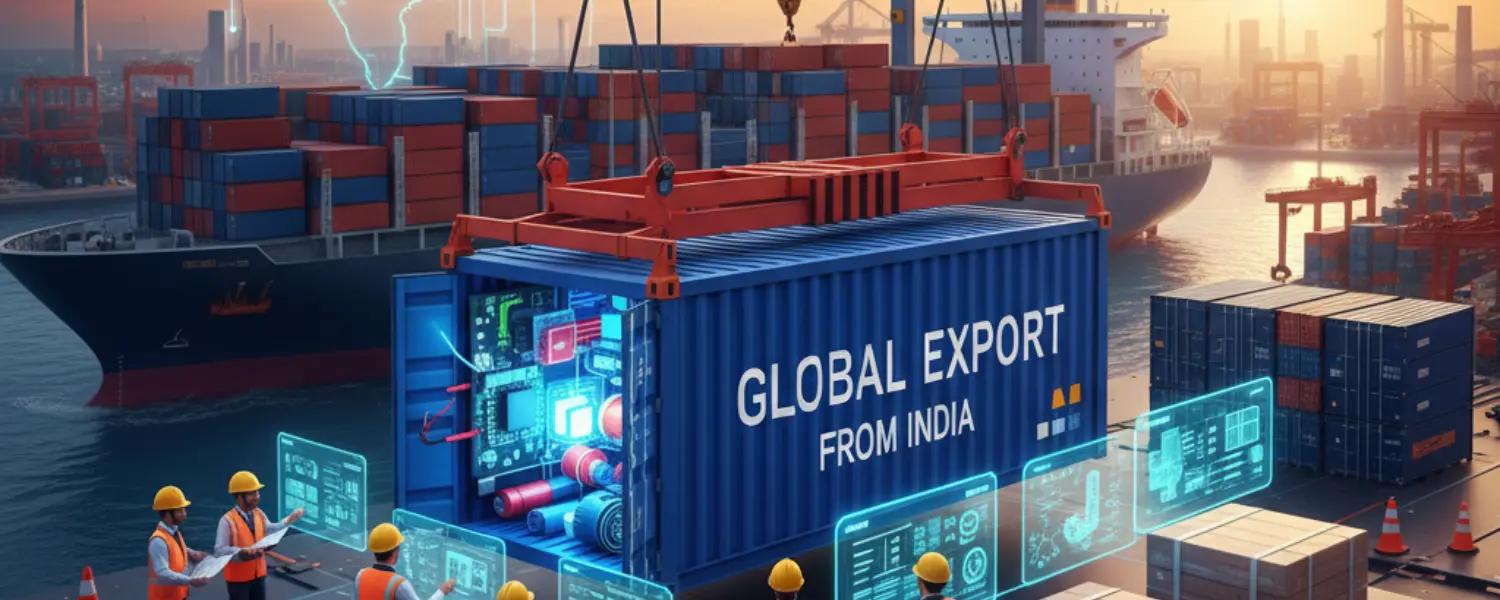
The global demand for high-quality, reliable electrical equipment is surging. As project managers and procurement specialists look to build resilient and cost-effective supply chains, India has decisively emerged as a world-class manufacturing and export hub. With a booming electronics and electrical sector, supportive government policies, and a deep pool of engineering talent, sourcing your electrical goods export from India is no longer just an alternative—it’s a strategic advantage.
However, navigating the process of international sourcing can seem complex. This ultimate guide will provide a clear, step-by-step roadmap to help you seamlessly source and export high-quality electrical goods from India.
Why India is the Smart Choice for Your Electrical Goods Export
India’s rise as an export powerhouse is built on a solid foundation of key advantages that directly benefit international buyers.
Massive and Competitive Manufacturing Ecosystem: India’s electrical and electronics industry is one of the fastest-growing in the world, with a projected turnover of $400 billion by 2025. This scale creates immense competition and economies of scale, resulting in highly competitive pricing without sacrificing quality.
Commitment to Quality and Technology: Indian manufacturers are not just focused on volume; they are committed to quality. With a strong R&D culture and rapid adoption of advanced technologies, you can source everything from high-efficiency transformers and switchgear to cutting-edge solar components and automation systems.
Skilled Workforce and Engineering Expertise: India has a vast pool of skilled engineers and technicians, many of whom are English-speaking, which simplifies communication and ensures a deep understanding of complex technical requirements.
Supportive Government Policies: Initiatives like “Make in India” and Production-Linked Incentive (PLI) schemes have created a highly favorable environment for manufacturing and export, attracting global giants and fostering a robust domestic supply chain.
Step 1: Finding the Right Partner (Not Just a Supplier)
The most critical step in the process is selecting the right partner. It’s important to distinguish between a manufacturer and a true export partner. While a manufacturer produces the goods, an export partner manages the entire end-to-end process, from compliance to logistics.
Your Checklist:
Proven Export Experience: Look for a partner with a documented track record of successful electrical goods export to various countries.
Engineering and Customization Capability: Your partner should have an in-house engineering team capable of customizing systems to meet your country’s specific technical standards and compliance codes.
Comprehensive Portfolio: A partner offering a wide range of products—from transformers and panels to cables and solar components—can act as a single-source supplier, simplifying your procurement process.
Step 2: Navigating Quality Standards and International Compliance
For an electrical goods export, quality and compliance are non-negotiable. Your partner must ensure that every product not only meets but is certified to the standards of your destination country.
Your Checklist:
International Certifications: Ensure your partner can supply goods that meet global standards like IEC (International Electrotechnical Commission).
Country-Specific Compliance: A knowledgeable partner will understand and manage the requirements for specific regional standards and certifications.
Quality Assurance and Testing: The partner should have a robust quality control system, including Factory Acceptance Tests (FAT) and detailed inspection reports, to guarantee the performance and safety of the equipment before it is shipped.
Step 3: Understanding the Export Process and Documentation
While your export partner will manage the paperwork, understanding the key documents involved can provide clarity and confidence in the process.
Key Documents Your Partner Will Handle:
Importer-Exporter Code (IEC): This is a mandatory registration for any business in India engaged in export or import.
Commercial Invoice and Packing List: Details the products, quantities, and value for customs purposes.
Bill of Lading / Airway Bill: The contract between the owner of the goods and the carrier.
Shipping Bill: The primary document required by customs authorities to grant clearance for an export shipment.
A professional partner will handle all this documentation seamlessly, ensuring your shipment clears customs without delays.
Step 4: Ensuring Secure and Efficient Logistics
The physical journey of your goods is the final and most crucial step. A reliable electrical goods export partner will have a masterful command of global logistics.
Your Checklist:
Secure Export Packaging: Electrical equipment is often sensitive. Ensure your partner uses robust, custom packaging designed to protect the goods during long sea or air transit.
Reliable Freight Partners: Your partner should work with established, reputable global freight forwarders to guarantee a predictable and transparent shipping schedule.
End-to-End Shipment Management: From factory pickup to delivery at your destination port or site, your partner should manage the entire logistics chain, providing you with regular updates along the way.
By following this guide and choosing a partner who excels in these key areas, you can leverage the immense advantages of the Indian manufacturing ecosystem. Sourcing your electrical goods export from India is a strategic decision that can lower costs, ensure quality, and build a more resilient and reliable global supply chain for your business.
Frequently Asked Questions (FAQ's)
Why is India becoming a preferred country for sourcing electrical goods?
India offers a powerful combination of a large-scale, competitive manufacturing industry, a highly skilled engineering workforce, a strong commitment to international quality standards, and supportive government policies that make it a cost-effective and reliable sourcing hub.
What types of electrical goods can be exported from India?
India exports a vast range of electrical goods, including power transformers, electrical panels, insulated wires and cables, switchgear, solar panels and components, and various other electronic components for industrial and commercial use.
How can I ensure the electrical goods meet my country’s specific standards?
The key is to work with an experienced export partner who has an in-house engineering team. They will be responsible for ensuring all products are designed and certified to meet your region’s specific codes, such as IEC, and will provide all necessary compliance documentation.
What is an Importer-Exporter Code (IEC) and why is it important?
An Importer-Exporter Code (IEC) is a mandatory 10-digit code that any business in India must have to engage in import or export activities. It is a legal requirement for clearing customs and is a key indicator that you are working with a legitimate export partner.
Who is responsible for managing the shipping and customs clearance?
A true turnkey export partner will manage the entire logistics process for you. This includes handling all export documentation, coordinating with freight forwarders, and managing the customs clearance process to ensure a smooth, hassle-free delivery.
What kind of after-sales support can I expect for exported goods?
Reputable global partners offer comprehensive after-sales support, including international warranties, remote technical assistance via video calls, and a global supply chain for spare parts to ensure the long-term reliability of your equipment.
How long does a typical electrical goods export from India take?
The lead time can vary depending on the product’s complexity and the destination country, but it typically ranges from 2 to 6 weeks for production and shipping. Your export partner will provide a clear and detailed timeline for your specific order.
What is the difference between a manufacturer and an export partner?
A manufacturer produces the goods. An export partner, on the other hand, provides an end-to-end service. They not only source or manufacture the product but also manage international compliance, all export documentation, and the entire global logistics process, offering you a single point of contact and accountability.