For any business that relies on a continuous power supply, the reliability of backup systems like generators and UPS is non-negotiable. The cost of a single minute of unplanned downtime can be staggering, making regular power system testing an essential part of any risk management strategy. The most effective tool for this job is a load bank, which simulates real-world electrical loads to verify that your equipment can perform under pressure.
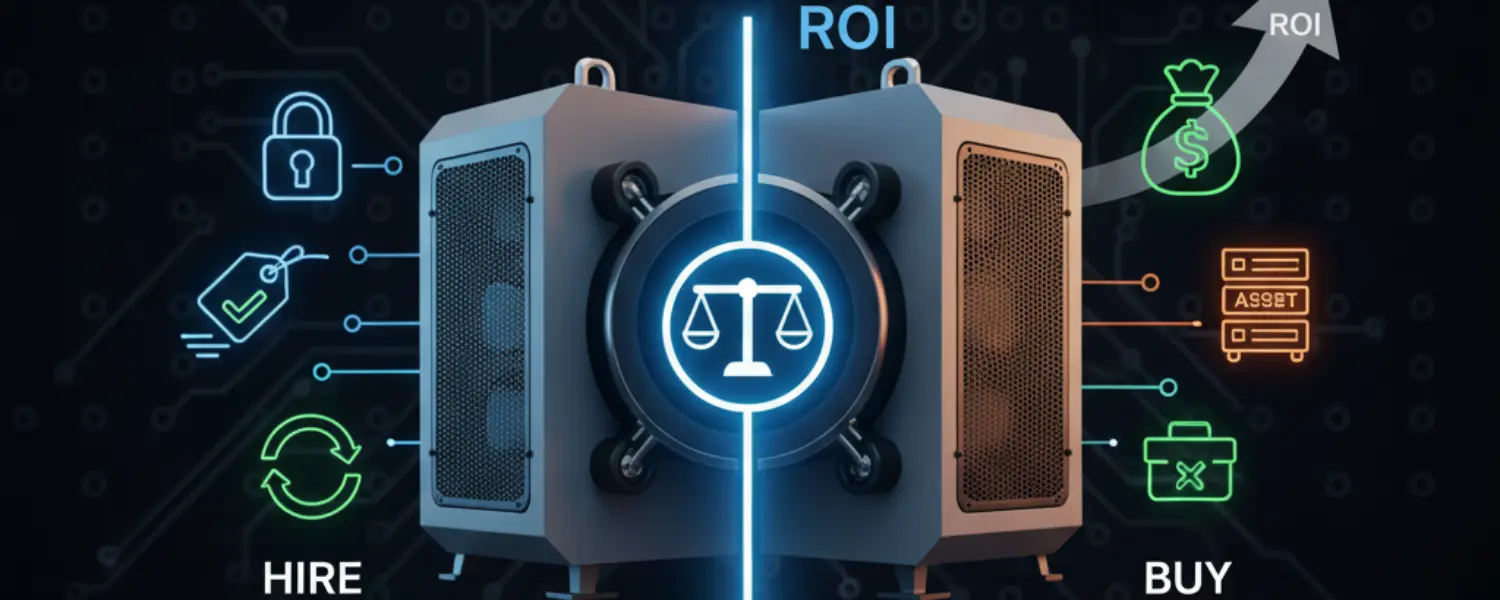
This raises a critical question for facility managers and business owners: is it better to purchase a load bank outright or to hire load banks for testing when needed? While ownership might seem like a long-term solution, a closer look at the total cost reveals that for the vast majority of businesses, hiring is the most cost-effective and strategically sound decision.
The Hidden Costs of Owning a Load Bank
The initial purchase price of a load bank is just the tip of the iceberg. Ownership comes with a host of ongoing expenses and responsibilities that can quickly add up, diminishing the perceived value of the investment.
Significant Capital Expenditure: A high-capacity load bank is a major capital investment that ties up funds that could be used for core business operations.
Ongoing Maintenance and Calibration: Load banks are precision instruments that require regular maintenance and calibration to ensure they provide accurate test results. This is a recurring operational cost that cannot be skipped.
Storage and Logistics: These are often large, heavy pieces of equipment that require dedicated, secure storage space. Transporting them to different sites can also be a complex and costly logistical challenge.
Specialized Training: Operating a load bank safely and effectively requires trained personnel. This means investing in ongoing training for your staff or hiring specialists, adding to your labor costs.
Technological Obsolescence: Load bank technology is constantly evolving, with modern units offering advanced features like digital controls, remote monitoring, and automatic testing. A purchased unit can become outdated, limiting your testing capabilities and the value of your data.
The Financial Advantages of Hiring Load Banks for Testing
When you hire load banks for testing, you transform a large, unpredictable capital expense into a manageable, predictable operational expense. This model offers numerous financial and operational benefits that make it the smarter choice for most businesses.
Zero Capital Investment: The most significant advantage is the elimination of a large upfront cost. You pay only for the service when you need it, preserving your capital for other strategic investments.
Access to the Right Tool for Every Job: Power systems are not one-size-fits-all, and neither are their testing requirements. A simple generator exercise might require a resistive load bank, while testing a system with motors and transformers needs a reactive or combined resistive-reactive unit to simulate a real-world power factor. When you hire load banks for testing, you get access to a diverse fleet, ensuring you have the exact type and capacity required for any specific test.
No Maintenance or Storage Headaches: The rental provider is responsible for all maintenance, calibration, and storage. You get a perfectly maintained, fully calibrated machine delivered to your site, ready to perform.
Expertise on Demand: Reputable rental services often include the support of trained technicians. These experts can manage the entire testing process, from safe connection and operation to providing a detailed performance report, ensuring the test is conducted correctly and you get actionable data.
Integrating Load Bank Testing into Your Maintenance Strategy
The most cost-effective approach to equipment management is always proactive, not reactive. Waiting for a generator to fail during an outage is a recipe for financial disaster. This is why a comprehensive Annual Maintenance Contract (AMC) is so critical for your power systems.
A robust Annual Maintenance Contract should be a cornerstone of your operational budget. It moves the cost of care from an unpredictable emergency expense to a planned, manageable one. The best AMCs don’t just cover routine inspections; they include a scheduled load bank test.
By ensuring your Annual Maintenance Contract includes a provision to use load banks for testing on a yearly basis, you are making the most cost-effective decision possible. You are leveraging the financial benefits of hiring while integrating this critical test into a proactive maintenance schedule. This approach guarantees that your equipment is always ready, extends its operational lifespan, and provides the ultimate peace of mind without the financial burden of ownership.
Frequently Asked Questions (FAQ's)
Q. Is it cheaper to hire a load bank than to buy one?
For most businesses, yes. Hiring eliminates the large upfront capital cost, as well as ongoing expenses for maintenance, storage, and calibration, making it a far more cost-effective solution for periodic testing.
Q. How often do I need to test my generator with a load bank?
It is generally recommended to perform a load bank test at least once a year. Critical facilities like data centers or hospitals may require more frequent testing to comply with industry standards.
Q. What is typically included when I hire a load bank service?
A comprehensive rental service includes the delivery of a fully calibrated load bank, all necessary connection cables, and often the support of a trained technician to operate the equipment and provide a detailed test report.
Q. Can load bank testing be included in an Annual Maintenance Contract (AMC)?
Absolutely. The most effective and cost-efficient Annual Maintenance Contract for a generator or UPS system should include a scheduled load bank test to proactively verify the equipment’s health and performance.
Q. What type of load bank do I need for my business?
It depends on your equipment. A resistive load bank is common for general generator testing. However, if your facility has significant motor or transformer loads, a reactive or combined resistive-reactive load bank is needed to accurately simulate real-world conditions.
Q. Will hiring a load bank and performing a test disrupt my facility’s power?
No. Load bank testing is non-intrusive. The load bank provides a controlled, artificial load, allowing the generator to be tested without interrupting the power supply to your building’s critical systems.
Q. Why can’t I just use my building’s own load for testing?
Using your building’s live load is risky and unpredictable. It can disrupt critical operations and doesn’t provide the stable, controllable, and measurable load needed to accurately verify the generator’s full capacity.
Q. What happens if a problem is found during the load bank test?
Identifying a problem during a controlled test is the ideal scenario. It allows you to schedule necessary repairs in a non-emergency situation, preventing a catastrophic failure during a real power outage and saving significant costs.