In the industrial sector, reliable power is not a luxury; it is the backbone of operations. Whether it is ensuring uptime for a data center, powering a remote construction site, or keeping a manufacturing line moving during a grid failure, a heavy-duty generator is an essential asset. However, for facility managers and procurement officers, acquiring this asset presents a significant financial hurdle.
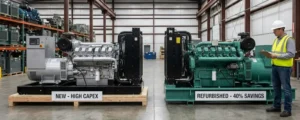
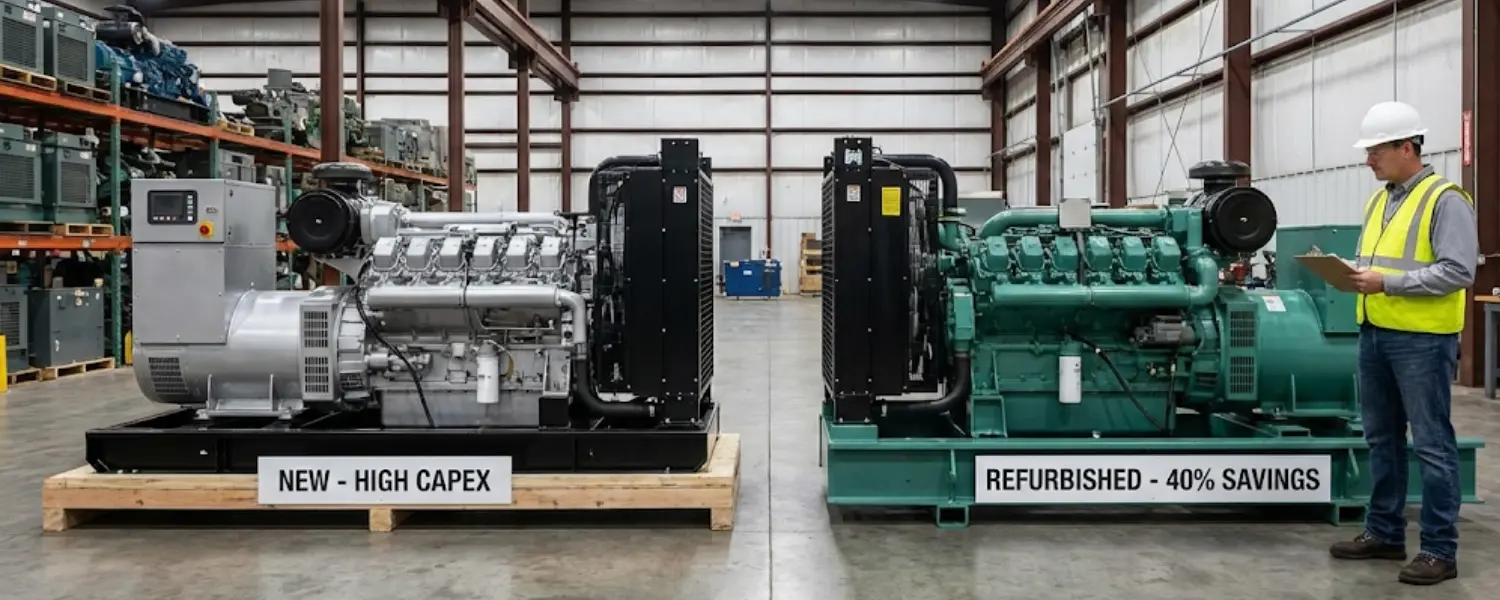
New industrial generators come with a staggering price tag and often, a frustratingly long lead time. The conventional wisdom has always been that “new is better,” but in today’s economic climate, a strategic shift is occurring. Smart businesses are increasingly turning to Refurbished Generators as a way to secure top-tier reliability while slashing Capital Expenditure (CapEx) by 40% or more.
The Economics of Refurbishment: Breaking Down the Savings
The most immediate and compelling argument for choosing a refurbished unit is the direct financial impact. A brand-new industrial diesel generator from a premium brand like Cummins or Caterpillar commands a premium price. By opting for a certified refurbished model, you can acquire the exact same engine and power capacity for 40% to 60% less.
But the savings go beyond the sticker price.
Avoiding the Depreciation Cliff: Just like a new car, a new generator depreciates rapidly the moment it is installed. A refurbished unit has already undergone its steepest depreciation curve, meaning it retains its resale value much better over time.
Redirecting Capital: The funds saved—often tens of thousands of dollars—can be redirected to other critical areas, such as upgrading switchgear, installing better fuel storage, or investing in renewable energy integration.
Refurbished vs. Used: Understanding the Difference
It is critical to distinguish between a “used” generator and a “refurbished” one. A used generator is sold “as-is,” often with unknown wear and tear. A Refurbished Generator undergoes a comprehensive restoration process to return it to near-factory specifications.
At a professional refurbishment facility, the process includes:
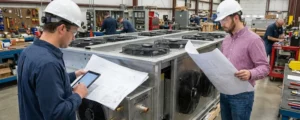
Complete Strip-Down: The generator is often disassembled to inspect core components.
Component Replacement: Vital wear parts like bearings, seals, gaskets, belts, and hoses are replaced with new, high-quality equivalents.
Engine Overhaul: If necessary, the engine receives a top or major overhaul to restore compression and efficiency.
Load Bank Testing: This is the ultimate proof. The unit is run at 100% capacity to verify it can handle its rated load without overheating or voltage fluctuation.
This rigorous process bridges the gap between “used” and “new,” offering you reliability that a standard used unit simply cannot match.
Beat the Lead Times: Speed as a Strategic Advantage
In the post-pandemic supply chain, ordering a new custom-spec generator can involve lead times of 6 to 12 months. For a project with a tight deadline, this delay is unacceptable.
Refurbished generators are typically available immediately. Because the core asset already exists, the timeline is determined only by the refurbishment and testing process, which is measured in days or weeks. This speed to deployment can be the difference between meeting a project launch date and facing costly delays.
Sustainability: The Green Choice
Choosing a Refurbished Generator is also an environmentally responsible decision. Manufacturing a new 1000kVA generator requires massive amounts of steel, copper, and energy, creating a significant carbon footprint.
By extending the life of an existing heavy asset, you are supporting the circular economy. You prevent tons of metal waste from entering landfills and avoid the emissions associated with new manufacturing. It’s a win for your budget and a win for your corporate sustainability goals.
The Verdict: A Smart Strategic Move
The stigma around “pre-owned” equipment is fading as engineering standards for refurbishment improve. With a Refurbished Generator, you aren’t compromising on quality; you are making a calculated financial decision. You get a machine that looks new, runs like new, and is backed by warranty support—all while keeping a significant portion of your capital in the bank.
Frequently Asked Questions
How much can I really save with a refurbished generator?
Typically, you can save between 40% to 60% compared to the cost of a brand-new unit with similar specifications. This frees up significant capital for other operational needs.
Is a refurbished generator as reliable as a new one?
Yes, when sourced from a reputable provider. A certified refurbished generator undergoes a complete inspection, component replacement, and load bank testing to ensure it meets original manufacturer performance standards.
What is the difference between “used” and “refurbished”?
“Used” means sold as-is with no guarantees. “Refurbished” means the unit has been inspected, repaired, upgraded, and tested to restore it to a like-new condition, often coming with a warranty.
Do refurbished generators come with a warranty?
Yes. Reputable suppliers typically offer a warranty (e.g., 6 to 12 months) on refurbished units, covering major components like the engine and alternator, giving you peace of mind similar to a new purchase.
How quickly can I get a refurbished generator?
Speed is a major advantage. While new units can have lead times of 6+ months, refurbished units are often in stock and can be ready for deployment in days or weeks.
Are refurbished generators load tested?
Absolutely. A professional refurbishment process always includes a load bank test. This verifies that the generator can handle its full rated electrical load without overheating or failure.
Can I get financing for a refurbished generator?
Many suppliers and financial institutions recognize the value of refurbished industrial equipment and offer financing options, making it even easier to manage your cash flow.
Is buying refurbished good for the environment?
Yes. It supports the circular economy by extending the life of heavy machinery, reducing the demand for new raw materials (steel, copper) and the energy required for manufacturing.