In any large-scale electrical project, the transformer is the heart of the system. It’s a critical, high-value asset that dictates the safety, efficiency, and reliability of your entire operation. When sourcing this vital equipment for an international project, the challenge goes beyond finding a unit with the right technical specifications. You must also navigate a complex web of global standards, local regulations, and compliance requirements.
Sourcing a truly export quality transformer is not just about the hardware; it’s about ensuring that the equipment is fully compliant with the legal and technical codes of the destination country. A failure in compliance can lead to catastrophic consequences, including project delays, hefty fines, rejection at customs, and severe safety risks. This guide will walk you through the critical importance of global standards and how to source a compliant transformer for your next international project.
Why Compliance is the Cornerstone of an Export Quality Transformers
In the context of a transformers export, “quality” and “compliance” are inextricably linked. A transformer that is perfectly engineered but fails to meet the destination country’s specific standards is, for all practical purposes, a useless and expensive liability.
The risks of non-compliance are significant:
Project Delays: A non-compliant transformer can be held up in customs for weeks or even months, derailing your entire project timeline.
Financial Penalties: Regulatory bodies can impose substantial fines for importing and attempting to install non-compliant electrical equipment.
Safety Hazards: Electrical standards exist to ensure safety. A transformer that doesn’t meet local codes can pose a serious risk of fire, electrical shock, or catastrophic failure.
Operational Incompatibility: A transformer not designed for the local grid’s specific voltage and frequency can lead to inefficiency, equipment damage, and system instability.
Decoding the Landscape of Global Electrical Standards
Navigating international standards can seem daunting, but understanding the key players is the first step toward ensuring a compliant transformers export.
IEC (International Electrotechnical Commission): This is the most widely recognized global benchmark for electrical equipment. IEC standards, such as IEC 60076 for power transformers, represent a global consensus on safety and performance. Adherence to IEC standards is a powerful indicator of an export quality transformer and provides a strong foundation for global acceptance.
Country-Specific Standards (e.g., NEC, BIS): While the IEC provides a global framework, many countries have their own national electrical codes that must be followed. The National Electrical Code (NEC) in the United States is a prime example. A true export partner must have the engineering capability to design and manufacture transformers that meet these specific local requirements, not just the general IEC guidelines.
Regional Certifications (e.g., UL, CE): For market access in specific regions, additional certifications are often required. The UL (Underwriters Laboratories) mark is essential for many products sold in North America, while the CE mark is mandatory for the European Economic Area. These marks signify that the product has been tested and certified to meet the region’s stringent safety and environmental standards.
The Role of Your Export Partner in Guaranteeing Compliance
The responsibility for navigating this complex regulatory landscape should not fall on you, the client. This is the core value proposition of a seasoned global partner specializing in transformers export. They act as your expert guide, ensuring every aspect of the process is managed with precision.
Here’s what to expect from a capable partner:
Custom Engineering for Compliance: A professional partner doesn’t just sell an off-the-shelf product. They have an in-house engineering team that will custom-design the transformer to meet the specific voltage, frequency, and, most importantly, the regulatory standards of your country.
Comprehensive Documentation and Certification: Your partner should manage and provide a complete documentation package. This is critical for a smooth customs clearance process and includes Factory Acceptance Test (FAT) reports, type test certificates, certificates of origin, and proof of compliance with all relevant standards.
Rigorous Quality Assurance and Testing: Before a transformer is even crated for shipping, it must undergo a battery of tests to verify its performance. This includes insulation resistance testing, high voltage testing, and load testing to ensure it operates flawlessly and safely under its specified conditions.
Secure Logistics for a High-Value Asset
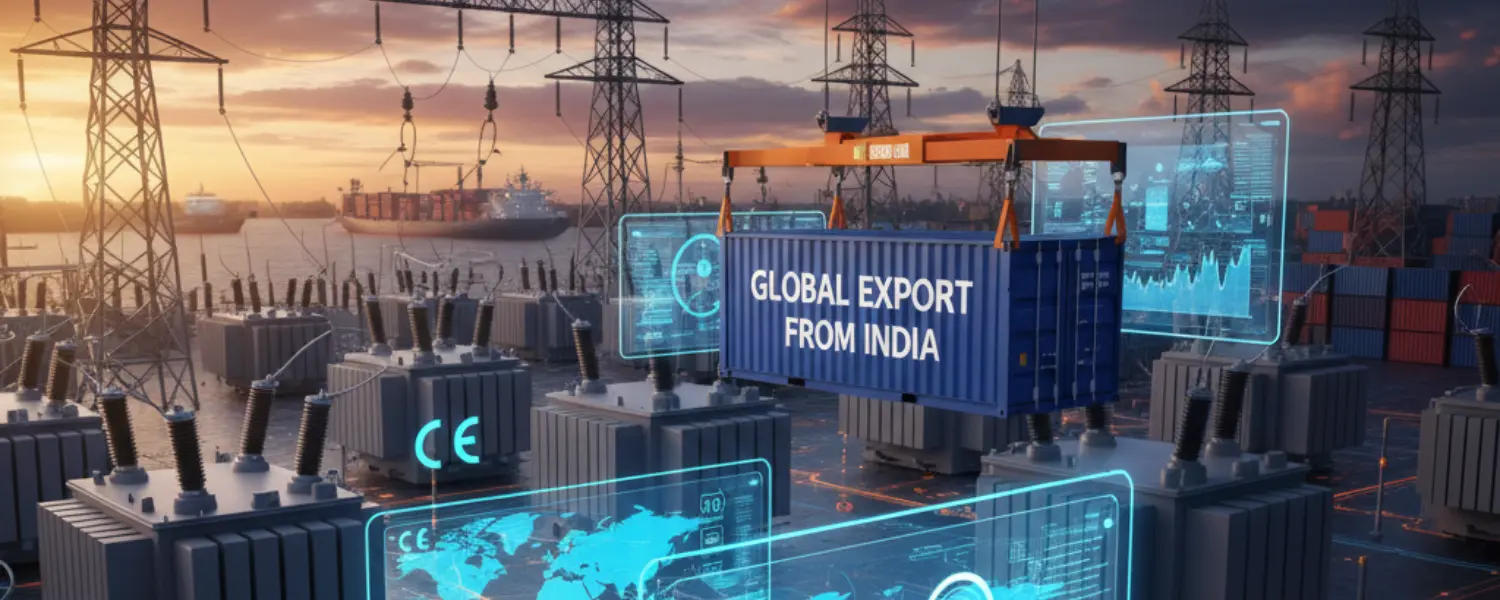
The final piece of the puzzle is ensuring your high-value asset arrives at your site safely. A professional transformers export service includes masterful management of global logistics. This involves using robust, custom packaging designed to protect the sensitive equipment during the rigors of international freight and partnering with reliable logistics providers to ensure a predictable and secure delivery schedule.
By prioritizing compliance from the very beginning and choosing a partner with proven expertise in navigating global standards, you can confidently source an export quality transformer that will serve as the reliable heart of your project for decades to come.
Frequently Asked Questions (FAQ's)
What is the most important standard to look for in an export quality transformer?
The IEC (International Electrotechnical Commission) standards, particularly IEC 60076 for power transformers, are the most widely recognized global benchmark for quality and safety. Compliance with IEC is a strong indicator of a reliable product.
How do you ensure a transformer will be compliant with my country’s specific electrical codes?
A professional export partner will have an engineering team that custom-designs the transformer to meet your country’s specific standards, such as the NEC in the US. This is a critical part of the initial project scoping and design phase.
What kind of testing should an export quality transformer undergo before shipping?
It should undergo a series of rigorous tests, including a Factory Acceptance Test (FAT). Key tests include insulation resistance, high voltage (Hi-Pot) testing, and checks on winding resistance and voltage ratio to ensure it performs exactly to its design specifications.
What documentation is required for a smooth transformers export and customs clearance?
Essential documents include a commercial invoice, a packing list, a bill of lading, a certificate of origin, and, most importantly, all compliance certificates and factory test reports that prove the transformer meets the destination country’s standards.
What is the difference between a manufacturer and a true export partner?
A manufacturer produces the equipment. A true export partner provides an end-to-end service that includes custom engineering for compliance, managing all export documentation, and handling the complex global logistics to deliver a fully compliant, ready-to-install product to your site.
Why is India a good choice for sourcing high-quality transformers?
India has a large and competitive electrical manufacturing industry with a strong focus on engineering and quality. Indian manufacturers are experienced in producing equipment that meets stringent international standards like IEC, making the country a reliable and cost-effective hub for sourcing export quality transformers.
How are large transformers protected during international shipping?
They are protected through specialized, robust packaging. This often includes custom-built crates, moisture-proof wrapping, and shock-absorbing materials to prevent any damage during sea or air freight.
What happens if a transformer arrives and is found to be non-compliant?
This is a costly and complex scenario that a professional export partner is hired to prevent. If it does happen, the unit may be rejected by customs, require expensive modifications, or need to be shipped back, causing significant project delays and financial losses.