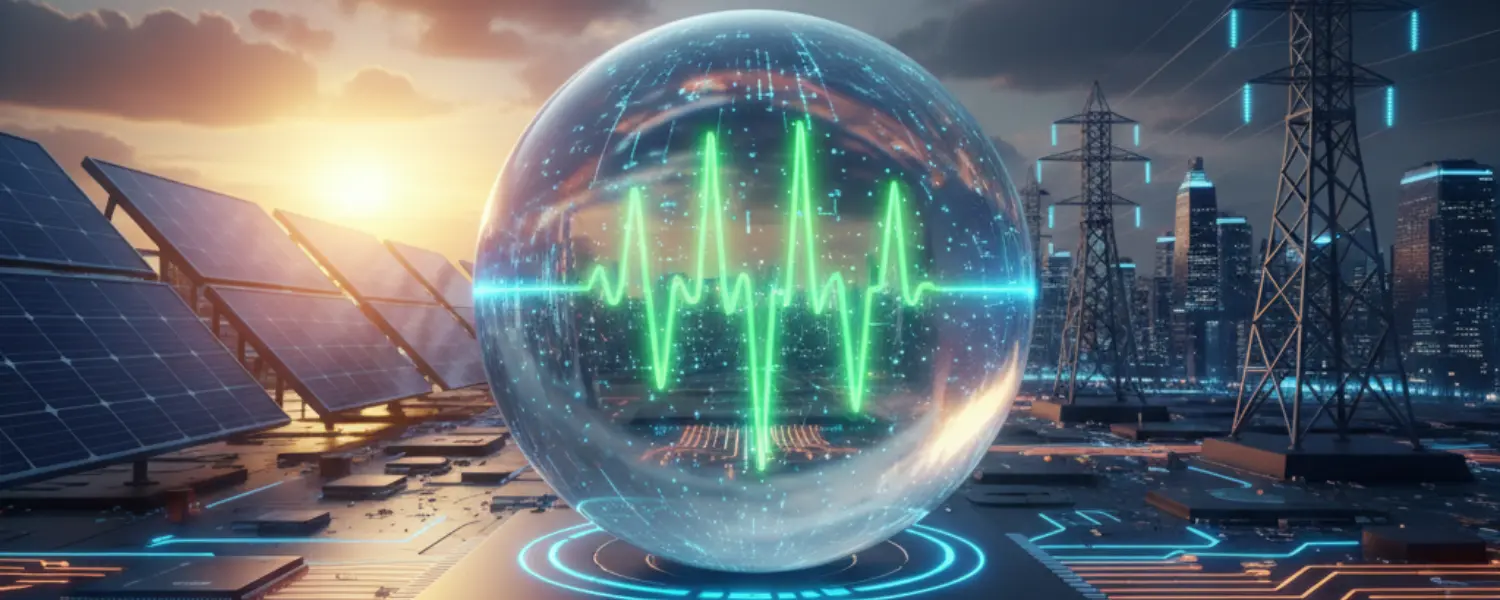
Solar energy has revolutionized how we generate power, offering a clean, abundant, and increasingly affordable alternative to fossil fuels. However, the true potential of solar is unlocked not just by the panels on a roof, but by the intelligent systems that connect them to the wider power network. The greatest challenge for solar has always been its intermittent nature—it only produces power when the sun shines. Flawless solar-grid synchronization is the solution to this challenge, transforming solar from a variable source into a stable, reliable, and seamless component of our energy infrastructure.
This is made possible by a sophisticated ecosystem of technologies working in perfect harmony. Let’s take a deep dive into the key technologies that make this seamless power a reality.
1. Smart Grids: The Digital Communication Backbone
The foundation of modern solar-grid synchronization is the smart grid. Unlike traditional grids, which operate on a one-way flow of electricity from a central power plant to the consumer, a smart grid is a dynamic, two-way communication network. It’s the digital nervous system of our electrical infrastructure.
This network is built on advanced components:
Smart Meters: These devices provide real-time data on energy consumption and production, enabling a constant dialogue between the consumer, their solar system, and the utility provider.
IoT Sensors: Placed throughout the grid and within solar installations, these sensors continuously monitor key parameters like voltage, current, and frequency.
This constant flow of data allows the grid to balance energy supply and demand in real-time, seamlessly integrating variable sources like solar without compromising stability.
2. Smart Inverters: The Brains of the Operation
If the smart grid is the nervous system, the smart inverter is the brain of your solar installation. An inverter’s basic job is to convert the Direct Current (DC) produced by solar panels into the Alternating Current (AC) used by our homes and businesses. Smart inverters, however, are far more advanced.
Equipped with sophisticated software and communication capabilities, smart inverters actively manage the flow of power. They can:
Communicate with the Grid: They constantly receive data from the grid and can adjust their power output in real-time based on the grid’s needs.
Regulate Voltage and Frequency: During times of grid instability, a smart inverter can automatically adjust its output to help stabilize the network, preventing overloads or blackouts.
Optimize Power Conversion: Using advanced algorithms, they ensure that the maximum amount of energy is harvested from the solar panels and converted with minimal loss.
This intelligent control is what allows a decentralized solar system to act as a supportive, stabilizing force for the entire grid.
3. AI and Predictive Analytics: The Forecasting Engine
The sun isn’t always shining, and clouds can change energy production in an instant. To manage this variability, solar-grid synchronization relies heavily on Artificial Intelligence (AI) and predictive analytics.
By analyzing massive datasets—including historical weather patterns, real-time satellite imagery, and the system’s own performance history—AI-driven algorithms can accurately forecast solar energy production. This forecasting ability is a game-changer, allowing the system to make proactive decisions. For example, if the system predicts a cloudy afternoon, it can prioritize charging a battery storage system in the morning when the sun is strong, ensuring a consistent power supply later in the day.
4. Energy Storage Systems (ESS): The Stability Buffer
Battery energy storage is the critical component that makes solar power a 24/7 resource. In a synchronized system, the smart grid acts as a sophisticated traffic controller for this stored energy.
During peak sunlight hours when the solar panels are producing more energy than the facility needs, the excess power is used to charge the battery system. When solar production drops in the evening or on a cloudy day, the system can seamlessly discharge the stored energy to power the facility or even send it back to the grid during periods of high demand. This ability to store and strategically release energy is what mitigates the fluctuations of solar power, ensuring a smooth and stable supply.
5. Real-Time Monitoring and Control (SCADA)
To manage all these interconnected technologies, a centralized control system is essential. This is the role of SCADA (Supervisory Control and Data Acquisition) systems. A SCADA platform provides a single, intuitive dashboard for operators to monitor the real-time performance of the entire solar and grid ecosystem.
This platform visualizes data from all the IoT sensors and smart inverters, allowing for:
Remote Management: Operators can monitor and control assets from anywhere in the world.
Instant Fault Detection: The system can automatically detect anomalies, such as a drop in a panel’s performance, and send instant alerts to the maintenance team.
Proactive Maintenance: By identifying issues before they become critical failures, SCADA systems enable a proactive approach to maintenance, reducing downtime and ensuring the system is always operating at peak efficiency.
Together, these technologies create a flawless system where solar energy is no longer just a contributor to the grid, but an intelligent, responsive, and integral part of a more resilient and sustainable electrical service infrastructure.
Frequently Asked Questions (FAQ's)
What is the main difference between a traditional grid and a smart grid?
A traditional grid has a one-way flow of power from a central plant to consumers. A smart grid allows for two-way communication, using digital technology to monitor and manage electricity flow from multiple sources, including solar, in real-time.
What does a smart inverter do in a solar-grid synchronization system?
A smart inverter converts DC solar power to AC, but it also communicates with the grid to regulate voltage and power output. This helps stabilize the grid and ensures the solar system operates efficiently and safely within the larger network.
How does AI help with solar-grid synchronization?
AI uses predictive analytics to forecast solar energy production by analyzing weather data and system performance. This allows the system to make smart decisions in advance, such as when to store excess energy in batteries or sell it to the grid.
Why is battery storage so important for grid synchronization?
Battery storage is crucial because it solves the problem of solar’s intermittency. It stores excess energy produced during sunny periods and releases it during the night or on cloudy days, ensuring a stable and continuous power supply.
What is a SCADA system and what is its role?
SCADA (Supervisory Control and Data Acquisition) is a centralized software platform that allows operators to monitor and control the entire solar and grid system in real-time. It’s essential for detecting faults, managing performance, and ensuring overall system reliability.
Can a synchronized solar system sell power back to the grid?
Yes, this is one of the key benefits. When your system produces more energy than you need, a smart grid can facilitate selling the excess power back to the utility, which can reduce your energy bills and even generate revenue.
Does solar-grid synchronization make the power supply more reliable?
Absolutely. By intelligently managing variable solar energy, storing it when abundant, and using it when needed, the system enhances grid stability and reduces the risk of outages, making the overall power supply more resilient and reliable.
Is this technology suitable for both large-scale and small-scale solar installations?
Yes, the principles of solar-grid synchronization are scalable. The technology is beneficial for large utility-scale solar farms, commercial and industrial facilities, and even individual residential systems, helping to create a more efficient and decentralized energy network.